Peptide stacks in research: the 4 common pairings
Combined-compound research models multiply experimental variables. Two peptides in the same protocol means two COAs, two reconstitution profiles, two stability windows, and an interaction surface that may or may not be additive. The published literature, however, contains a recurring set of combinations that have been studied often enough to warrant their own catalog framing. This overview covers the four most frequently encountered stacks in published preclinical work and what discipline each one demands.
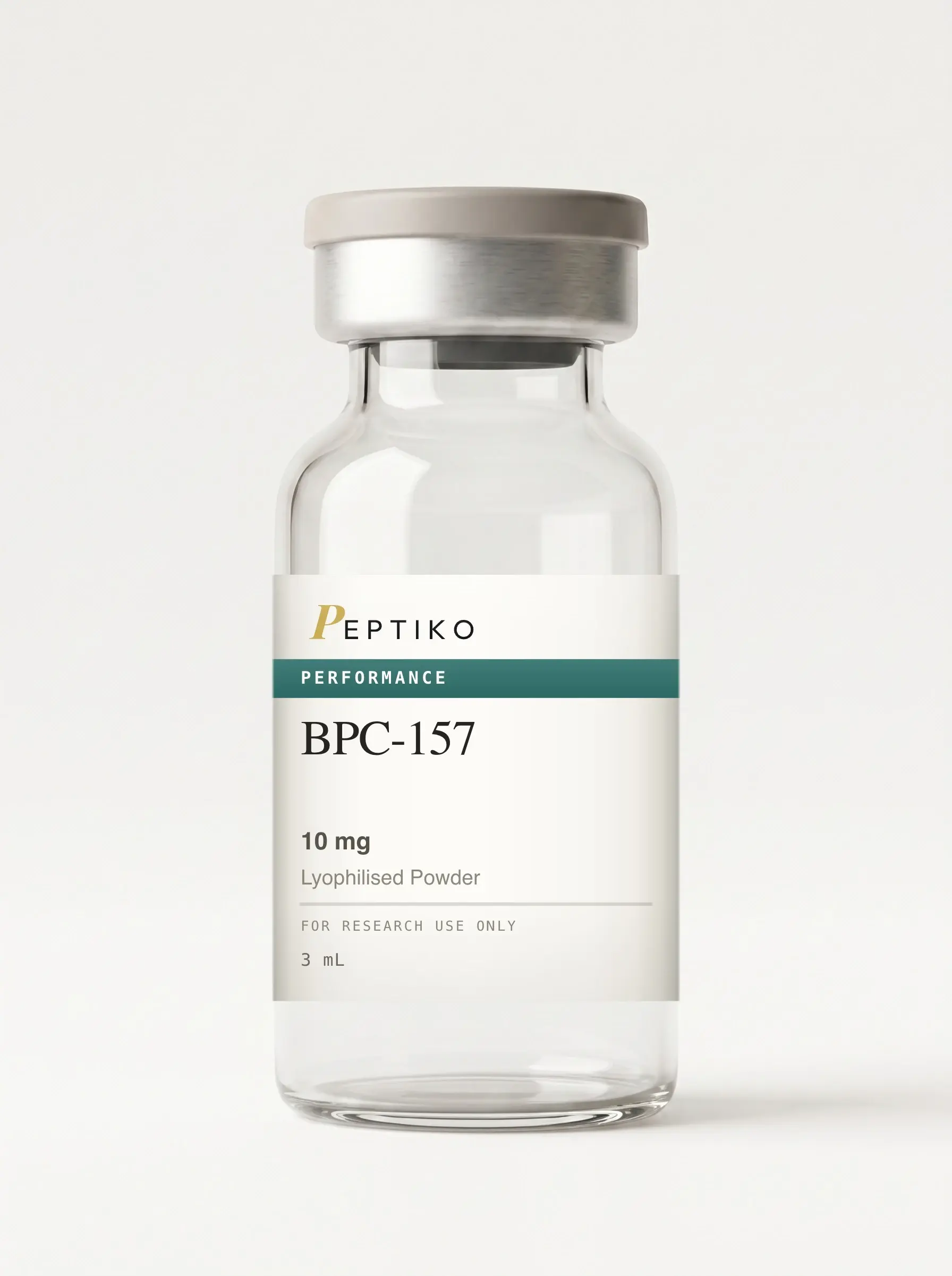
1. BPC-157 + TB-500 (tissue repair)
The most-published combined model. BPC-157 (CAS 137525-51-0) drives angiogenesis and growth-factor upregulation; TB-500 (CAS 107761-42-2) handles actin sequestration and cell migration. Mechanistically the two engage independent pathways, which gives the combination a strong additive rationale rather than a redundant one. Tendon, ligament, and connective-tissue repair models in the rodent literature use this pair more often than either alone.
Research discipline: COA both compounds; verify HPLC purity ≥99% on each. Storage temperatures are compatible (both −20°C lyophilized). Reconstitution: separate vials, separate solvent batches, avoid pre-mixing for storage longer than 24 hours. For an entry primer on each compound, see the BPC-157 vs TB-500 comparison post.
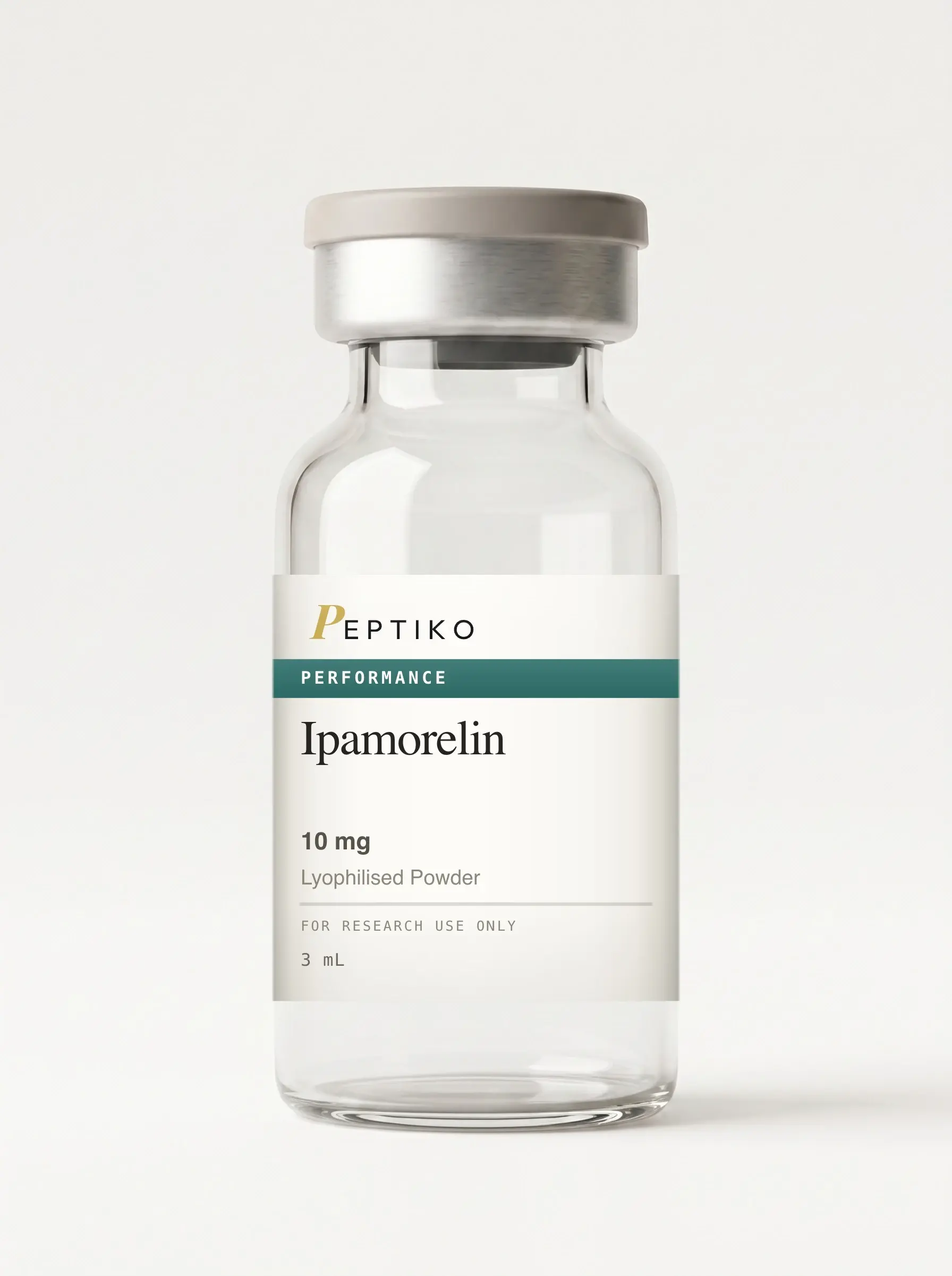
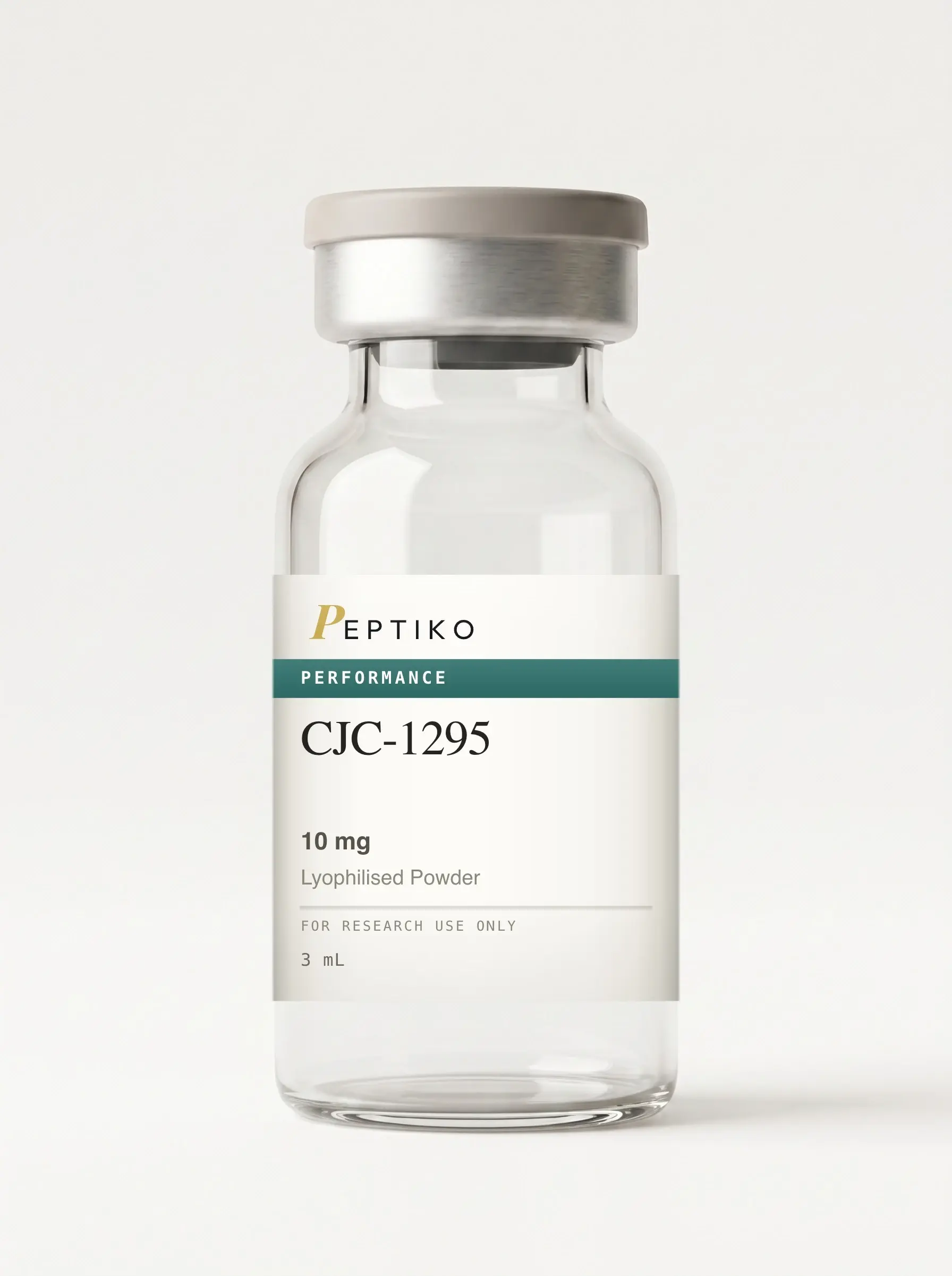
2. CJC-1295 + Ipamorelin (GH axis)
The most-studied GH-axis combination. CJC-1295 (with DAC: CAS 863288-34-0) is a GHRH analog with extended half-life; Ipamorelin (CAS 170851-70-4) is a selective GHRP that triggers pituitary GH release without raising cortisol or prolactin. The combination produces a more physiologic GH pulse pattern in research models than either compound alone, because GHRH and GHRP work through complementary receptor systems at the pituitary.
Research discipline: CJC-1295 with DAC has a markedly longer half-life (multi-day) than Ipamorelin (under an hour). Combined-dose protocols in the published literature account for this asymmetry. COA both compounds; pay particular attention to CJC-1295's DAC linker integrity, as a broken linker collapses the half-life advantage.
3. Epithalon + Pinealon (pineal-axis longevity research)
A combination with strong representation in Russian-language longevity literature. Epithalon (CAS 307297-39-8) is a tetrapeptide studied for telomerase activation and pineal-axis modulation; Pinealon (CAS 627648-50-4) is a tripeptide from the same Russian research program with overlapping but distinct effects on melatonin signalling and cell-cycle research models. Combined models in the Khavinson laboratory publications report effects on age-related parameters in rodent models that exceed either alone.
Research discipline: both compounds are short and stable, but the Russian-language literature is the primary source for combined-model protocols. Working from English-only databases will miss the methodology. COA both compounds; verify the Khavinson-style tetrapeptide synthesis route was used (some manufacturers substitute close analogs).
4. Selank + Semax (nootropic and behavioural research)
Two Russian-heritage heptapeptides that appear together in Russian preclinical literature on combined nootropic-anxiolytic effect. Selank (CAS 129954-34-3) operates through GABAergic and immunomodulatory pathways; Semax (CAS 80714-61-0) through BDNF/NGF upregulation. Both share a Pro-Gly-Pro tail for protease resistance. Combined intranasal protocols are reported in the Russian neuroscience literature though English-language comparative data are sparse.
Research discipline: Semax contains a methionine that is susceptible to oxidation; cold storage and inert-gas handling become more important than for Selank alone. COA both compounds with explicit methionine-oxidation check on Semax. For background, see the Selank vs Semax comparison post.
Cross-Cutting Considerations for Any Stack
| Variable | What changes in a stack |
|---|---|
| COA discipline | You now have N batch IDs to track, not 1 |
| Storage | Need temperature compatibility; check the COA storage recommendation for each |
| Reconstitution | Separate vials, separate solvent batches; never pre-mix for long-term storage |
| Stability | Combined stability is bounded by the less stable compound |
| Interaction characterisation | Additive, synergistic, antagonistic, or independent; published data is sequence-specific |
| Statistical power | Adding a second compound expands the experimental design; account for the extra cells |
What This Article Does Not Cover
This is a literature-framing overview. It is not a protocol cookbook, and it deliberately avoids dosing recommendations, human-use scenarios, or therapeutic claims. Stack research is performed by laboratories with appropriate ethics review and statistical design support. If your work touches any of the four combinations above, the published primary sources (in English or in Russian where applicable) remain the authoritative reference.
Peptiko stocks each compound mentioned above individually. We do not currently issue a third-party certificate of analysis, and would rather say so than imply one. For stack research, order each compound separately and record the batch number printed on each vial, so every result stays traceable to the material it came from.
Summary
Four research stacks recur in the published literature: BPC-157 + TB-500 (tissue repair), CJC-1295 + Ipamorelin (GH axis), Epithalon + Pinealon (longevity), Selank + Semax (nootropic). Each combination engages independent mechanisms, which is what gives the combined model its scientific rationale. Stack research multiplies the COA and storage discipline required; cutting corners on either is the most common source of irreproducible results in combined-compound experiments.
Catalog compounds for combined-model research
Browse Catalog →For in-vitro research and laboratory use only. Not for human or animal consumption.