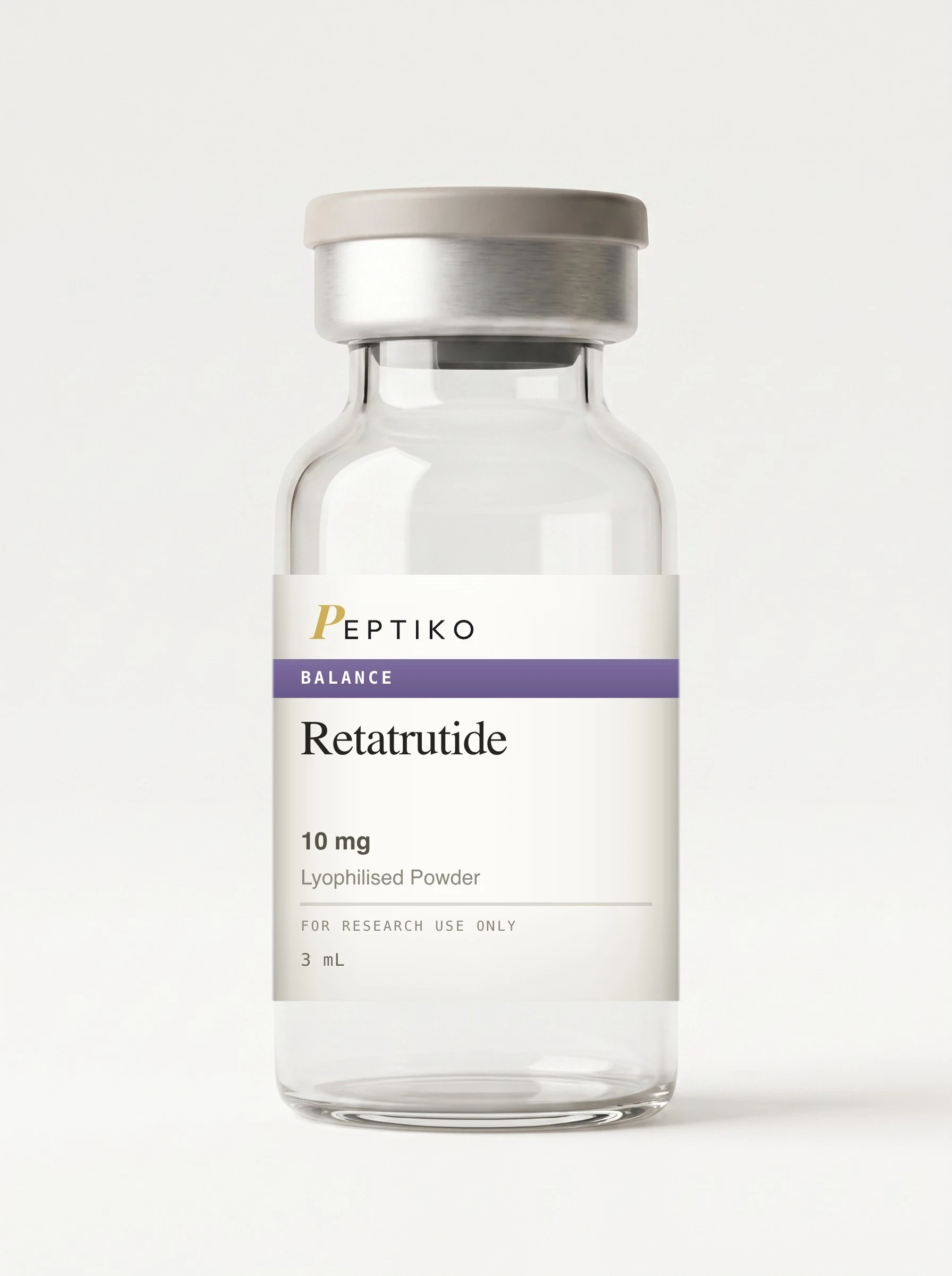
Retatrutide
Triple-receptor agonist peptide. Studied across GLP-1, GIP and glucagon metabolic-signalling pathways.
Pay on deliveryDelivered in 1 business dayFree from 1000 lei
For in-vitro research and laboratory use only. Not for human or animal consumption.
- ≥99% purity by HPLC-MS · lot number on every vial
- Delivery in Moldova: 1 business day
- Cash to the courier on delivery
- + bacteriostatic water free with this order
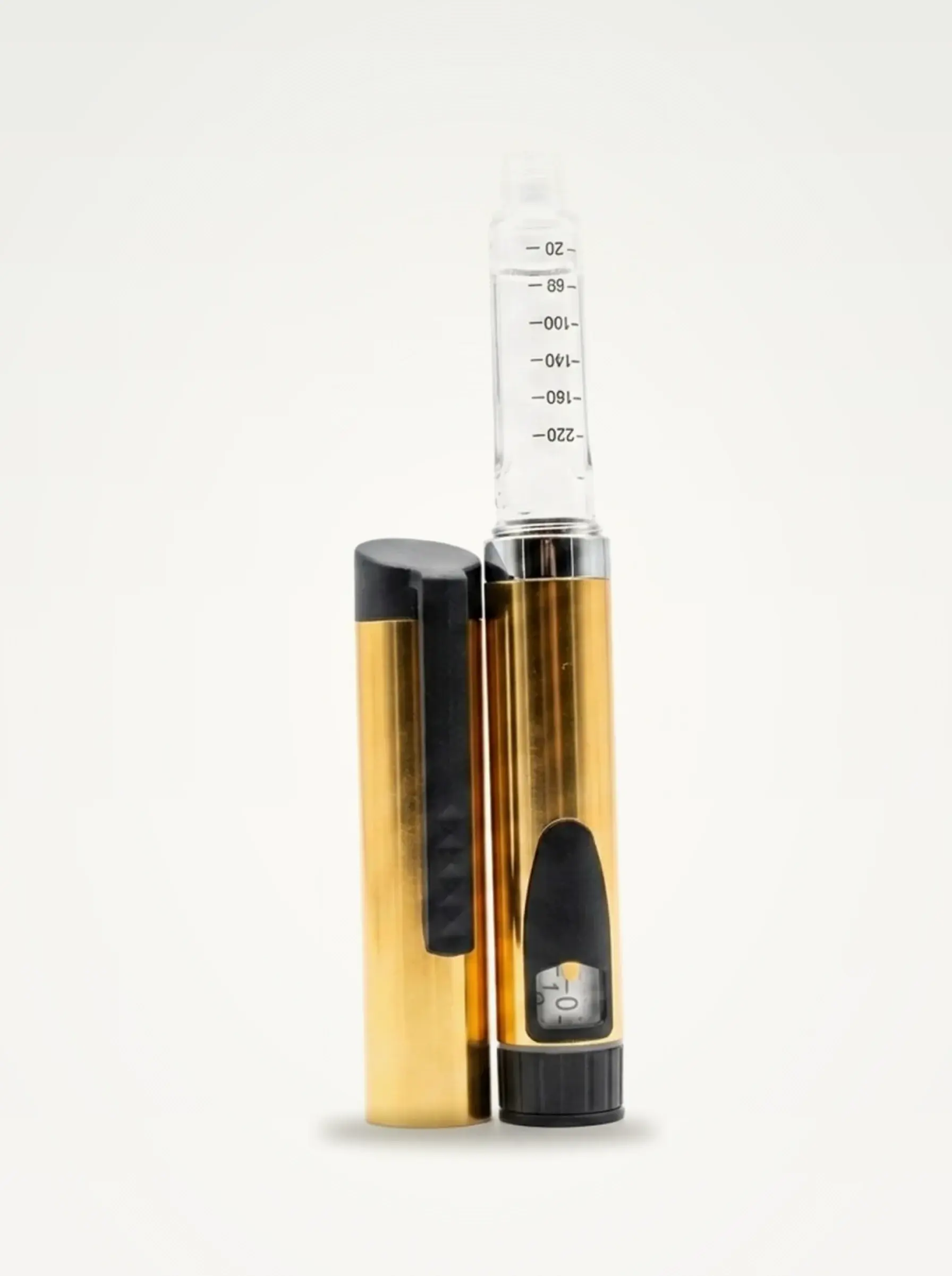 Injection Penreusable device · 800 lei
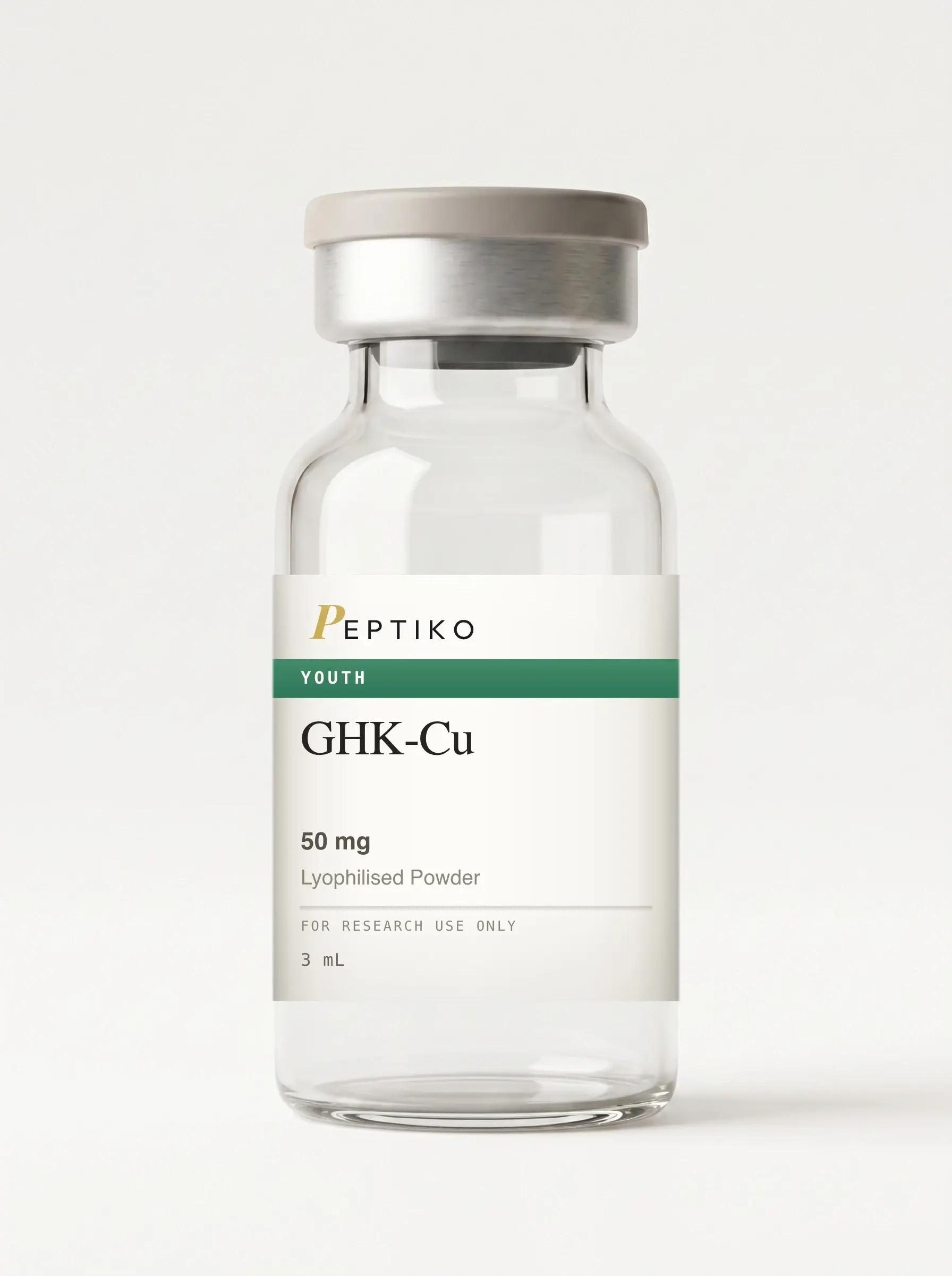
- Purity
- ≥99% HPLC-MS verified
- CAS
- 2381089-83-2
- Storage
- Lyophilised: 2–8 °C, protect from light (−20 °C for long-term, ≥24 months). Reconstituted: 2–8 °C.
- Formats
- 10mg vial
Courier delivery anywhere in Moldova. Lyophilized peptides travel at ambient temperature.
Retatrutide vs tirzepatide: the difference, plainly →Overview
Retatrutide is a lab-made triple receptor agonist: one peptide that binds three metabolic hormone receptors at once — GLP-1, GIP and glucagon. That unusual three-target profile is why laboratories use it as a reference compound for in-vitro studies of incretin and glucagon receptor signalling.
Mechanism
Retatrutide is a synthetic peptide that activates three receptors at once — GLP-1, GIP and glucagon — where tirzepatide activates two and semaglutide one. It is investigational: unlike tirzepatide, which is licensed as Mounjaro, retatrutide has no marketing authorisation anywhere and no brand name, so every figure quoted for it comes from a trial rather than from practice. PubChem holds no compound record under its CAS number 2381089-83-2, which is why no formula or mass is stated on this page; nothing is guessed to fill the gap. The reviews cited here describe the three-receptor combination as producing more than the sum of its parts, but none of them supplies receptor-binding, cAMP or arrestin data to say why.
What it acts on
- GLP-1 receptor — the axis shared with the approved incretin drugs, and the one the review literature credits with most of the reported glycaemic effect.
- GIP receptor — the second arm, shared with tirzepatide; the reviews describe the combination as synergistic rather than additive, without resolving the mechanism.
- Glucagon receptor — the arm that distinguishes this compound from tirzepatide, and the reason it is described as a triple agonist rather than a dual one.
- Gastric emptying and food-intake regulation — the downstream readouts the animal work reports, upstream of the weight endpoints the trials measure.
What the studies report
Each item below summarises the paper it is numbered to, written from that paper's own abstract. The badge says how the evidence was produced.
- 1.reviewBiomolecules (2025)
A 2025 review synthesising the preclinical and clinical record. It reports that animal work showed delayed gastric emptying and reduced food intake, and that phase 1 and 2 trials corroborated the weight and glycaemic findings. A review of an investigational compound inherits the limits of what has been published, which at this point is one completed mid-stage trial.
- 2.human studyN Engl J Med (2023)
The pivotal published trial: a phase 2, double-blind, randomised, placebo-controlled study in 338 adults with obesity, or with overweight plus a weight-related condition, over 48 weeks. Weight reduction was dose-dependent and substantially greater than placebo at every level tested. Phase 2 means the question it answers is dose-response and short-term safety, not long-term outcomes.
- 3.human studyDiabetes Obes Metab (2026)
The TRIUMPH programme: four phase 3 randomised double-blind studies in over 5800 participants, evaluating obesity together with obstructive sleep apnoea and knee osteoarthritis in a basket design. This paper is the rationale and design — it describes trials that were still running, and reports no results.
- 4.reviewEur J Pharmacol (2024)
A 2024 pharmacology review of the same material, adding cardiovascular risk factors and metabolic dysfunction-associated steatotic liver disease as areas of interest. Its own conclusion is that long-term safety remains to be delineated.
Used in research on
What this does not establish
This is an unapproved investigational compound. No regulator anywhere has authorised it, the published human record amounts to one completed phase 2 trial plus a design paper for phase 3 studies that had not reported, and two of the four references here are reviews rather than primary data. Nothing in this literature is mechanistic — there is no receptor-binding or signalling data in the cited set — and nothing in it describes the behaviour of a laboratory reagent in vitro.
Research applications
In vitro, retatrutide is used as a reference agonist for studying the GLP-1, GIP and glucagon receptors together: cAMP-accumulation assays, beta-arrestin-recruitment reporters, and receptor-selectivity panels that compare single-, dual- and triple-agonist profiles. It appears across incretin-signalling, glucagon-pathway and metabolic-receptor research.
Reconstitution
Supplied lyophilised. For laboratory preparation, reconstitute with sterile bacteriostatic water to a working stock, keep the reconstituted solution at 4 degrees C, and prepare assay dilutions in the buffer specified by your protocol. For in-vitro research use only, not for human or animal administration.
Storage & handling
Lyophilised: 2–8 °C, protect from light (−20 °C for long-term, ≥24 months). Reconstituted: 2–8 °C.
Research literature
Selected peer-reviewed literature describing this compound. Peptiko supplies peptides for in-vitro research; these papers characterise the compound, not this product.
- 1.Retatrutide-A Game Changer in Obesity Pharmacotherapy. Biomolecules (2025)
- 2.Triple-Hormone-Receptor Agonist Retatrutide for Obesity - A Phase 2 Trial. N Engl J Med (2023)
- 3.Retatrutide for the treatment of obesity, obstructive sleep apnea and knee osteoarthritis: Rationale and design of the TRIUMPH registrational clinical trials. Diabetes Obes Metab (2026)
- 4.The power of three: Retatrutide's role in modern obesity and diabetes therapy. Eur J Pharmacol (2024)
Frequently asked questions
What is Retatrutide?
A synthetic triple-receptor agonist peptide that binds the GLP-1, GIP and glucagon receptors, supplied as a lyophilised reagent for in-vitro laboratory research.
Is it for human use?
No. It is a research-use-only reagent for in-vitro laboratory study. It is not a pharmaceutical, supplement, or medicine, and not for human or veterinary use.
How is purity verified?
Purity is at least 99% by HPLC-MS.
What is the CAS number?
CAS 2381089-83-2.
Do you ship from Moldova?
Yes. We deliver by courier anywhere in Moldova, one business day after we confirm the order, and you pay the courier in cash. Lyophilized peptides travel at ambient temperature: a freeze-dried cake needs no cold chain.
Reviews
Be the first to review Retatrutide.
Order on Telegram, or add it to the cart and check out on the site. Cash to the courier on delivery — nothing is paid in advance.